Acupuncture
Acupuncture is a technique included in the millenary Traditional Chinese Medicine (TCM), as well as tuina, moxibustion, cupping, or Chinese phytotherapy. Here I explain it in more detail:
Click for more details about TRADITIONAL CHINESE MEDICINE (TCM)
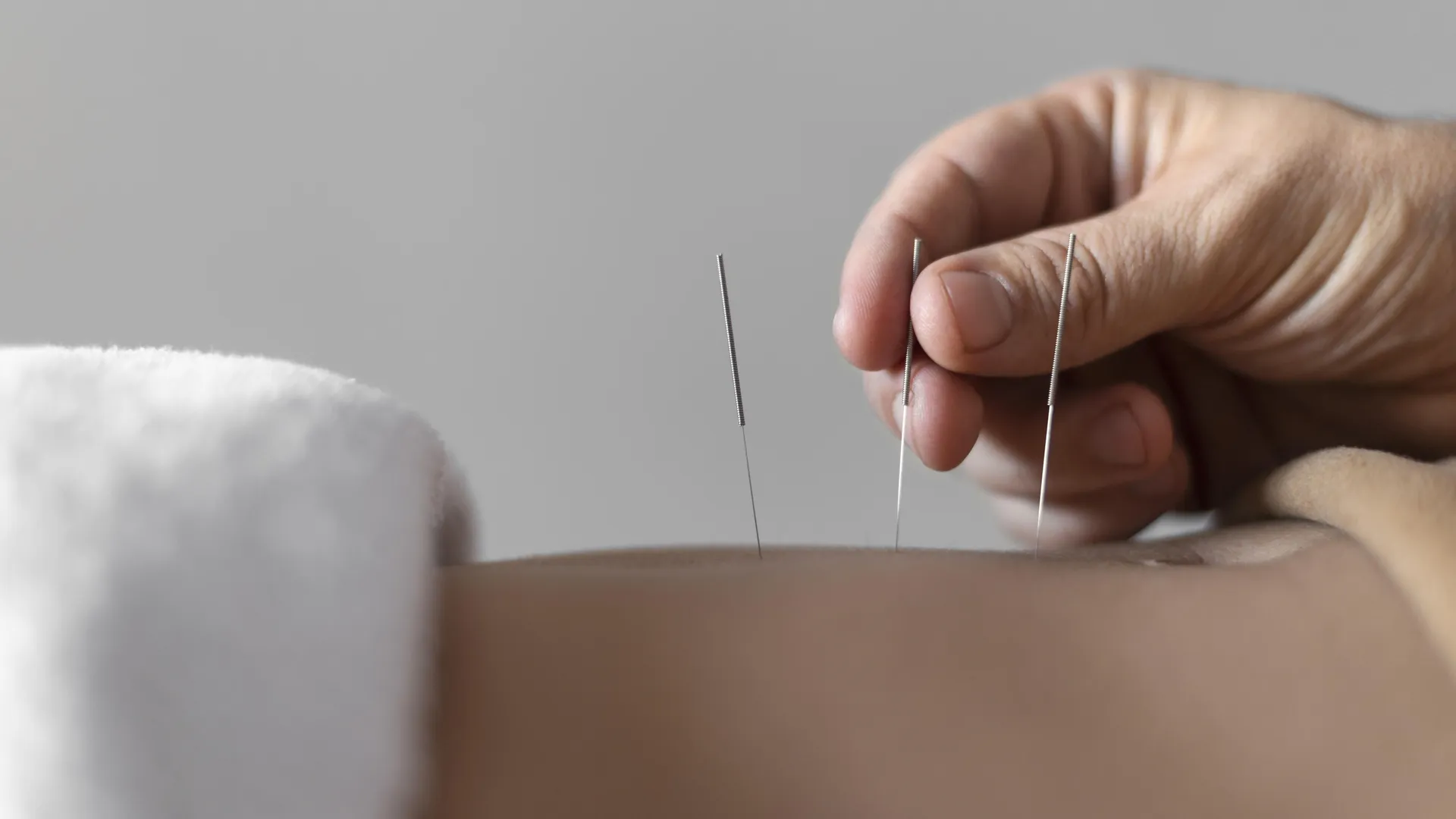
Acupuncture involves the insertion of very fine needles into the body to stimulate precise points in order to regulate the body. These points are usually located on the meridians through which the Qi or vital energy circulates. The meridians are closely linked to the fasciae, nerves, and surrounding vessels. These points are stimulated, like switches, to activate the secretion of substances produced by our cells to warn us about some internal processes that we want to highlight and help our body to regulate itself.
‘The effect of acupuncture is not limited to pain reduction, and it can exert complex functions such as modulating the immune system and intervening in the systemic inflammatory response, as has been demonstrated in animal models. Furthermore, there is evidence that these responses are triggered specifically in regions corresponding to connective tissue and involve fibroblast activation, with the consequent cytokine and interleukin mediator cascade.’
From Elsevier, International Journal of Acupuncture. Synthesis of the scientific evidence on acupuncture.
“Bu Tong Ze Tong, Bu Rong Ze Tong”
That is to say, no qi movement means pain, no nutrition means pain. This quote reminds us how important it is to re-establish the flow of qi in our body. For this we can use acupuncture.
TYPES OF ACUPUNCTURE
Acupuncture has evolved and spread throughout the world over the centuries, giving rise to various schools and systems of practice.
Apart from Classical Chinese acupuncture, we can incorporate other forms of working it:
*Shônishin or Japanese pediatric acupuncture: different instruments are gently applied to the skin in certain areas to stimulate slight stimulation. Wonderful for babies, children around 6 years old, or very sensitive people.
*With the same philosophy: Keiraku Chiryo Meridian Therapy, originated in Japan as a result of a deep and systematic revision of the four great classics of Traditional Chinese Medicine (Neijing, Nanjing, Shang Han Lun, and Jin Gui Yao Lue). Very subtle, it uses few needles, very fine and shallow.
*Electroacupuncture: electrical stimulation of acupuncture points. Very good for inflammation and pain.
*Auriculotherapy: The acupuncture points on the ear map are used with seeds, microneedles, or auricular needles. The vagus nerve passes very close by and works wonders for anxiety, stress, and many other conditions.
I like to mix different: acupuncture with moxa, cupping or tuina, guasha, and herbal medicines, and we can leave some auricle beads or microneedles to keep it working at home.
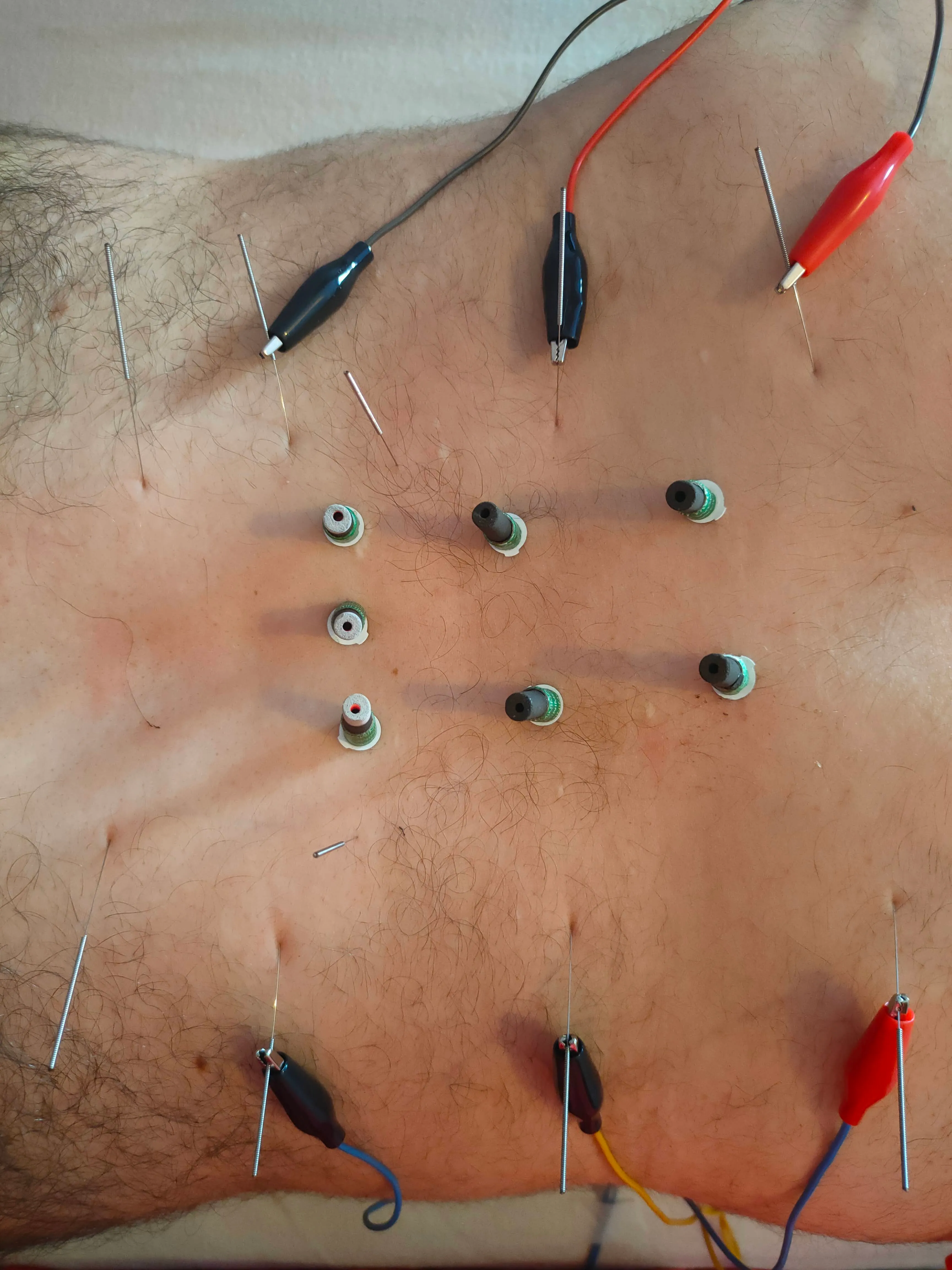
The sensitivity, state of health, and age of the person is taken into account in the practice. We see what suits you best to make you feel good.
For more information:
Elsevier, International Journal of Acupuncture. Synthesis of the scientific evidence on acupuncture
Relationship of acupuncture points and meridians to connective tissue planes.